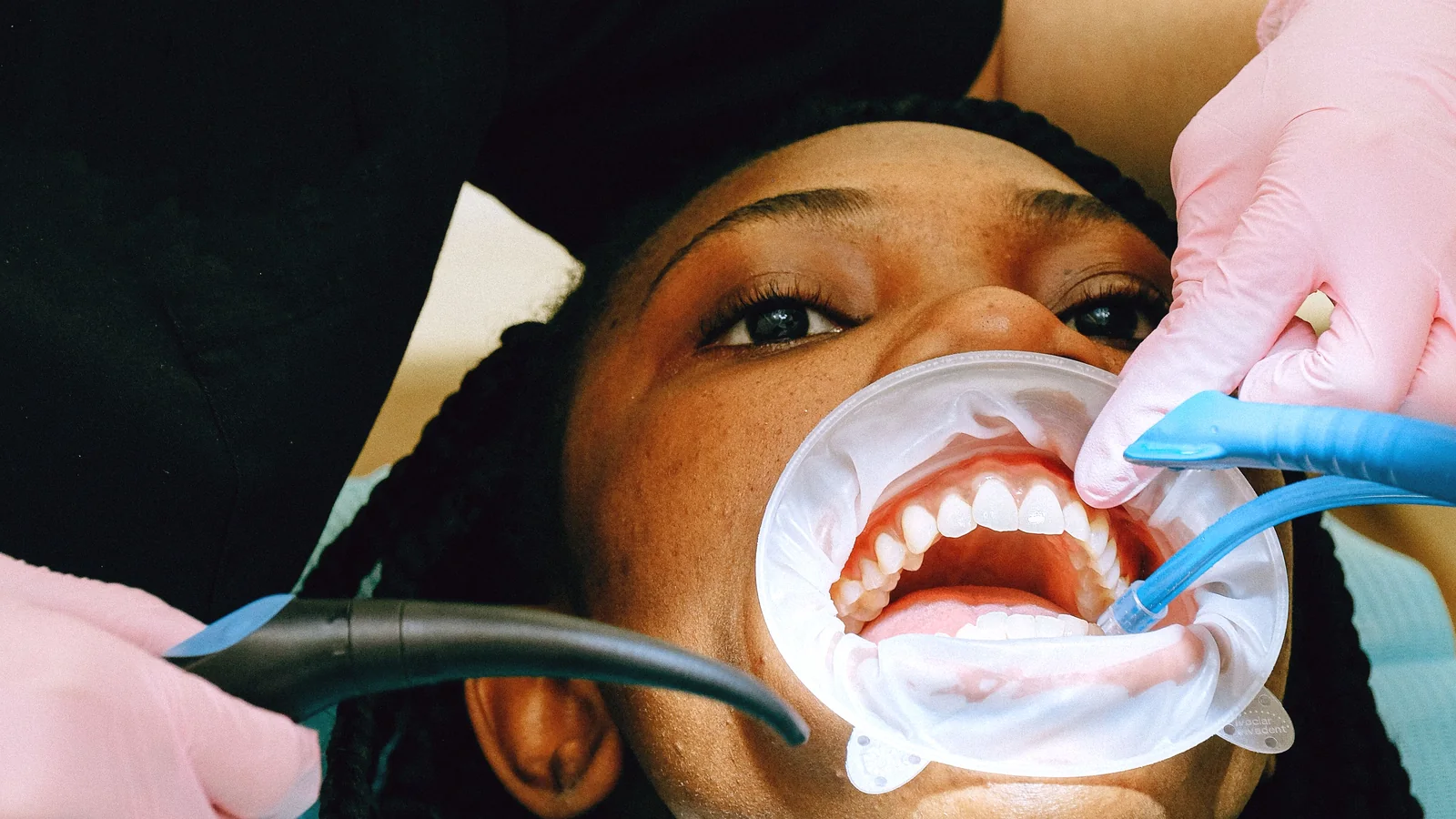
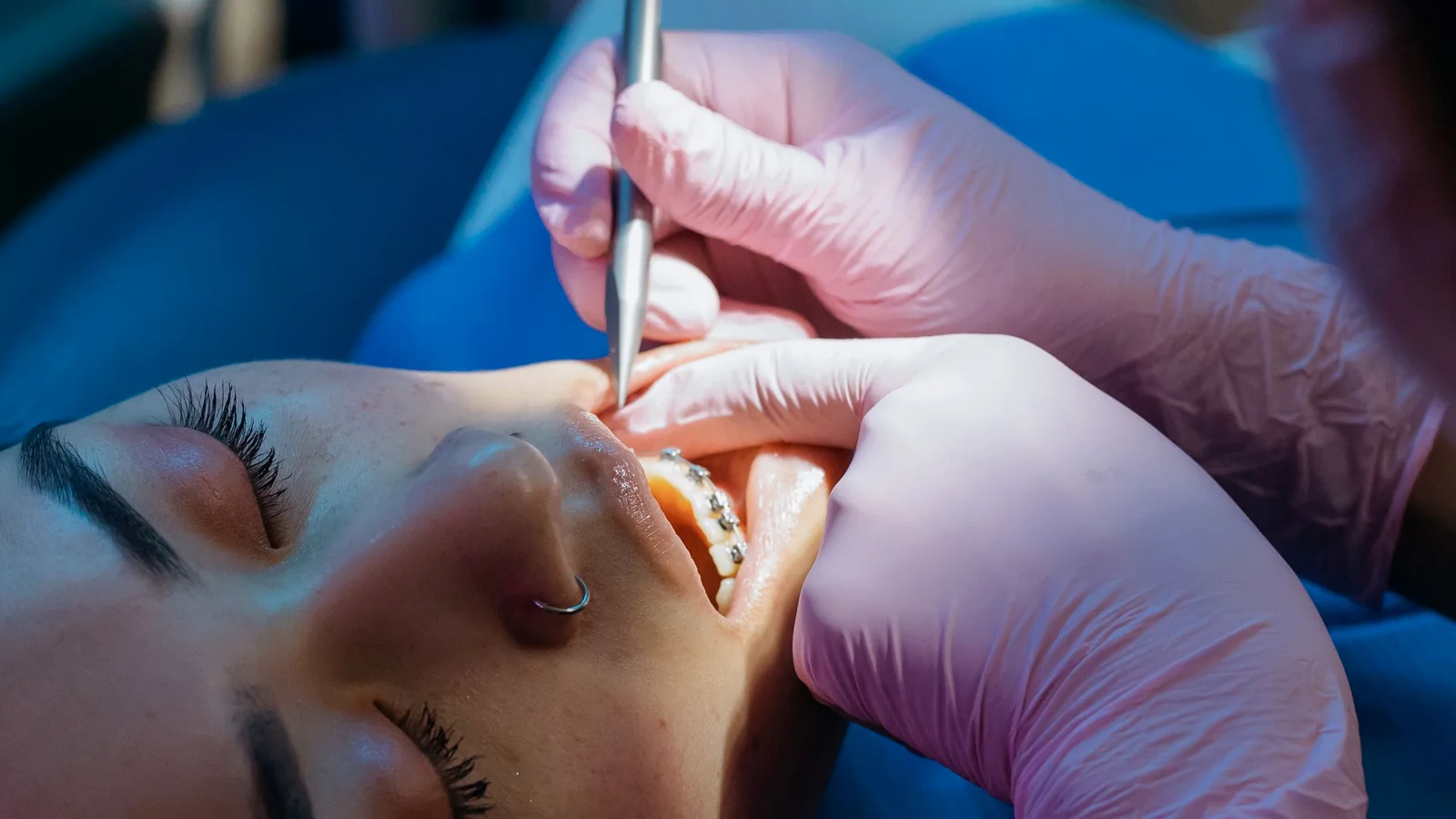
A sip of cold water, a spoonful of ice cream, or a hot drink can sometimes cause a sudden, sharp feeling in a tooth. The discomfort may disappear quickly, but it can still be a sign that part of the tooth has become less protected than it should be.
Tooth sensitivity is common, but it is not a diagnosis by itself. The cause may be relatively simple, or it may involve decay, a crack, a worn filling, gum recession, or another concern that needs treatment.
Why sensitivity happens
The visible crown of a healthy tooth is protected by enamel. Below the gumline, the root is protected by a layer called cementum. Underneath both is dentin, a less dense layer containing microscopic channels that connect toward the centre of the tooth.
When enamel becomes worn, gum tissue recedes, or the root surface is exposed, hot, cold, sweet, acidic, or sticky foods can stimulate those channels and produce a brief painful response.
Sensitivity may affect one tooth, several teeth, or a broader area of the mouth. Where it occurs, what triggers it, and how long it lasts can all help the dentist investigate the cause.
Common causes of sensitive teeth
Possible causes include:
- Worn enamel. Aggressive brushing, an abrasive toothpaste, frequent exposure to acidic foods and drinks, or long-term tooth grinding may contribute to enamel wear.
- Gum recession. When gum tissue moves away from the tooth, the more sensitive root surface can become exposed.
- Tooth decay. A cavity can cause sensitivity to sweets, heat, or cold as it progresses.
- A cracked or damaged tooth. A small fracture may cause discomfort with temperature changes or when biting.
- A worn, loose, or damaged filling. Sensitivity may develop around an older restoration when the tooth is no longer fully sealed or supported.
- Gum disease. Inflamed or receding gums may expose root surfaces and make teeth more sensitive.
- Teeth grinding or clenching. Bruxism can wear tooth surfaces, contribute to cracks, and cause sensitivity.
- Recent dental treatment. Some temporary sensitivity can occur after whitening, a filling, a crown, or a professional cleaning. Your dentist can explain what is expected for the treatment you received.
Because several different concerns can produce similar symptoms, it is best not to assume that every sensitive tooth simply needs a sensitivity toothpaste.
What may help at home?
Until the cause is assessed, gentle daily care may help reduce irritation:
- Brush twice a day with a soft-bristled toothbrush
- Use light pressure rather than scrubbing
- Choose a fluoride toothpaste
- Consider a toothpaste specifically formulated for sensitive teeth
- Clean between your teeth carefully each day
- Limit frequent sipping of acidic drinks such as soda, sports drinks, and citrus beverages
- Avoid biting directly into very hot, very cold, or very sweet foods with the sensitive area
- Mention teeth grinding, jaw tightness, or morning headaches at your dental visit
Desensitizing toothpaste usually needs repeated use before you notice a difference. Do not place aspirin or another pain medication directly against a tooth or gum.
When should you arrange a dental visit?
Arrange an examination when sensitivity:
- Persists or keeps returning
- Is limited to one particular tooth
- Becomes stronger or lasts after the hot or cold item is gone
- Occurs when you bite or chew
- Is accompanied by a visible crack, lost filling, or broken tooth
- Occurs with red, swollen, or bleeding gums
- Is associated with ongoing toothache, a bad taste, fever, or facial swelling
Prompt attention is particularly important when pain is severe, swelling is increasing, or you feel unwell. If swelling makes it difficult to breathe, swallow, or speak, seek emergency medical care immediately.
How a dentist may treat sensitivity
Treatment depends on the cause. Options may include desensitizing toothpaste, professional fluoride treatment, bonding, replacing a damaged filling, restoring decay, protecting an exposed root, treating gum disease, or addressing grinding and clenching.
When sensitivity is severe and persistent because the inner part of the tooth has become affected, root canal treatment may sometimes be recommended. An examination helps identify which treatment—if any—is appropriate.
The useful question is not only “How do I stop it?”
It is also, “Why is this tooth sensitive?”
Reducing the symptom can make you more comfortable, but understanding the cause helps protect the tooth and prevents a small concern from being overlooked.
Sources and further reading
- American Dental Association: Sensitive Teeth
- American Dental Association: Top Dental Symptoms
- National Institute of Dental and Craniofacial Research: Tooth Decay
- National Institute of Dental and Craniofacial Research: Bruxism and Tooth Grinding
- NHS: Toothache
This article provides general dental education and is not a substitute for personalised advice, diagnosis, or treatment from a dental professional.